
The Ultimate Guide to Different Types of Health Coaches

Updated: Feb 27
If you're exploring health coaching careers, there's a whole world of possibilities to discover. Health coaching is one of the fastest-growing professions in the wellness industry. In fact, the global health coaching market is projected to reach over £22 billion within the next five years [1], and for good reason. People want support that goes beyond quick fixes. They want someone who truly listens, understands their challenges, and helps them create lasting change.
While all Health Coaches share the goal of improving wellbeing, many specialise in areas that align with their passions. The different types of Health Coaches reflect diverse client needs, from nutrition and workplace wellness to fitness and group coaching, one of the most impactful approaches today.
Whether you want to work one-to-one, in groups, within healthcare settings or something different, with a Health Coach certification you can choose the path most suited to you.

What Does a Health Coach Do?
At its core, a Health Coach supports clients in making sustainable behaviour changes that improve their overall wellbeing. Rather than simply telling people what to do, Health Coaches use powerful questions, active listening, and evidence-based techniques to help clients discover their own solutions and build confidence in their ability to change.
This facilitative approach is what sets health coaching apart from advice-giving. It's about empowering clients to take ownership of their health journey, whether that involves managing stress, improving sleep, building better eating habits, or navigating a chronic condition. You can find out more about what a health coach does by listening to a health coaching podcast or reading this article "A Day in the Life of a Health Coach".
At Health Coaches Academy, we train Health Coaches using a science-backed, practical approach that blends health and nutrition expertise, behaviour change science, and real-world coaching skills. Our graduates don't just learn theory; they learn how to create meaningful, lasting impact in their clients' lives.
The Main Types of Health Coaches
As you explore the world of health coaching, you'll discover that types of Health Coaches vary widely based on focus area, client demographic, and working environment.
Understanding these Health Coach specialisations will help you identify where your skills, interests, and values align best. In this blog, we explore just some of the many types of Health Coaches and provide insight into what they do.
1. General Health and Wellness Coach
A general Health and Wellness Coach takes a broad, holistic approach to supporting clients. They might work with someone who wants to improve their energy levels, manage stress more effectively, sleep better, or simply feel more in control of their daily habits.
This is often where many Health Coaches begin after certification because it allows them to explore different aspects of wellbeing without narrowing their focus too early.
General Wellness Coaches work with a wide variety of clients, helping them identify priorities, set realistic goals, and navigate obstacles along the way. Because the scope is broad, it's a wonderful starting point that gives you the flexibility to specialise later as you discover what you're most passionate about.
2. Nutrition and Weight Management Coach
A nutrition-oriented Health Coach focuses specifically on helping clients improve their relationship with food and achieve sustainable weight management. This doesn't mean prescribing meal plans or telling clients exactly what to eat (that's the role of a registered dietitian or nutritionist).
Instead, Health Coaches use behaviour change techniques to help clients understand their eating patterns, overcome emotional eating, build healthier habits, and maintain long-term results.
Nutrition Health Coaches often work alongside dietitians, nutritionists, or within multidisciplinary teams to provide comprehensive support. They might help a client navigate the challenges of changing family eating habits, explore the emotional triggers behind late-night snacking, or build confidence in making healthier choices when dining out.
It's a deeply rewarding specialisation for those who are passionate about food, nutrition science, and helping people break free from diet culture and restrictive mindsets.

3. Corporate or Workplace Wellness Coach
The global corporate wellness market was estimated at $53.54 billion in 2024, is projected to rise to $63.90 billion by 2030, and is growing at a CAGR of 3.01% from 2025 – 2030 [2]. As a result, the demand for Corporate Wellness Coaches has grown significantly in recent years as organisations recognise the link between employee wellbeing and productivity.
A Corporate Wellness Coach works within businesses to support staff health, reduce burnout, improve resilience, and create a culture of wellbeing.
This might involve running workshops on stress management, facilitating group wellness coaching sessions, or providing one-to-one support for employees navigating health challenges.
Corporate wellness is also one of the most promising health coaching careers for those who enjoy working with teams and organisations. Many Corporate Wellness Coaches deliver group programmes, making it a natural fit for coaches interested in facilitating community-based change.
If you're drawn to the idea of making a broad impact within workplace settings and enjoy collaborating with HR teams and senior leadership, this could be your ideal path.
4. Group Health Coach
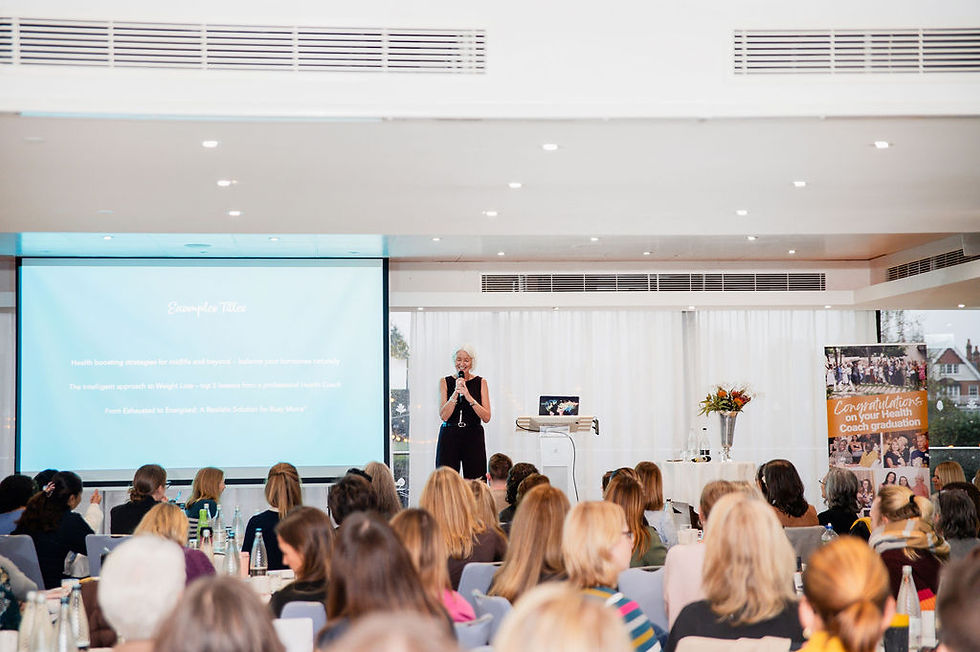
Group health coaching is a powerful, scalable way for Health Coaches to create impact. By working with multiple clients who share common goals, coaches build community, provide accountability, and encourage shared learning.
Research shows that group therapy and group-based interventions offer unique benefits, with studies demonstrating that the sense of "universality" as members share common struggles, combined with the altruism derived from helping each other, creates powerful therapeutic factors that drive lasting change [3]. This model benefits both clients and coaches, offering deeper transformation, broader reach, and greater income potential without longer hours.
Whether you’re providing menopause support to a group of women, helping corporate teams manage stress, or guiding multiple clients through weight management journeys that are fuelled by accountability, encouragement, and shared success stories, group health coaching really harnesses the power of connection.
Our Group Coaching Certificate course equips with practical facilitation skills, programme design templates, and the confidence to lead groups with ease. Whether you're just starting out or looking to scale your existing practice, group coaching offers a sustainable, impactful, and rewarding way to grow.
5. Fitness and Performance Coach
Fitness and Performance Coaches blend exercise guidance with holistic health principles to help clients build sustainable, enjoyable fitness habits. They offer more than workout plans, focusing on mindset, motivation, and accountability to support long-term consistency.
Often working in gyms, studios, or private practice, they address barriers to movement and promote a positive relationship with exercise. Many come from backgrounds in personal training, yoga, or sports coaching, using health coaching techniques to deepen their impact. This specialisation suits those who love movement and want to unite physical and emotional wellbeing through empowering, personalised support.
6. Integrative or Functional Health Coach
An Integrative or Functional Health Coach takes a whole-person approach, considering physical, emotional, environmental, and lifestyle factors that influence health.
These Health Coaches often work alongside functional medicine practitioners, GPs, or integrative health clinics, supporting clients with chronic conditions, autoimmune issues, digestive problems, or complex health challenges that require a more comprehensive approach. It's been shown that this integrative approach delivers results, with 80% of healthcare professionals reporting that health outcomes for patients receiving integrative care are better or significantly better compared to the general population [4].
Integrative Health Coaches help clients navigate complicated treatment plans, make sense of conflicting health information, and stay motivated throughout long-term healing journeys. They might explore sleep quality, stress management, nutritional support, movement, relationships, and environmental factors, all while working collaboratively with the client's medical team.
If you're drawn to working with clients who have complex health needs and enjoy being part of a multidisciplinary care team, this path offers deeply meaningful work.
7. Wellness Retreat Coach
A Wellness Retreat Coach designs and facilitates immersive health experiences that go far beyond a typical holiday. They create carefully structured programmes that combine nutrition guidance, movement practices, mindfulness activities, and lifestyle coaching to help participants make lasting changes to their wellbeing.
From selecting the perfect location to planning daily schedules, Wellness Retreat Coaches curate every element of the experience, often specialising in specific areas like stress management, digestive health, or hormonal balance.
Their role blends the expertise of a Health Coach with the skills of an event planner and the vision of an entrepreneur, all focused on delivering meaningful transformation in a supportive, often luxurious setting.
Sheree-Ann is a great example of someone who opted to make the switch. Now working as a Functional Medicine Health Coach and founder of Health in Her Retreats:
"After 15 years in the pharmaceutical industry, I realised I wasn't living up to my full potential. I loved supporting people, but I wanted to do it in a more personal, sustainable way. Discovering health coaching completely changed my direction, it helped me find my own health again, and from that, my purpose. I now run luxury health and wellness retreats across the globe - from Jamaica and Cape Town to Milan and Bali - creating beautiful spaces where women can pause, reconnect, and truly prioritise themselves. Watching those moments of transformation, especially in the unplanned conversations, is the most rewarding part of what I do. For anyone thinking about running retreats or becoming a Health Coach, my advice is simple: make the decision and start. Connect with people who've done it before, plan your budget carefully, and allow your offering to grow with you. There's someone out there who needs exactly what you have to offer."
Choosing the Right Type of Health Coaching for You
Choosing your health coaching path starts with clarity on your interests, strengths, and future direction.
Ask yourself:
What health or wellness topics excite me most?
What personal or professional experience can shape my niche (for example, overcoming a health challenge or working in a specific field)?
Do I enjoy one-to-one work, or does group coaching appeal more?
Am I aiming for corporate settings, healthcare environments, or a private practice?
You don’t need all the answers at once. The HCA Level 5 Diploma in Health & Wellness Coaching builds core coaching skills and behaviour-change expertise, giving you a strong foundation before you choose your speciality.
Whether you see yourself as a Nutrition Health Coach, a Corporate Wellness Coach, or an Integrative Health Coach offering broader support, our training equips you for diverse health coaching careers. Graduates continue to receive mentoring, ongoing learning, and professional guidance through our Health Coaches Hub, helping you build confidence and shape your ideal path.
Train with Health Coaches Academy
At Health Coaches Academy, we offer highly accredited training led by experienced mentors who are all successful, practising Health Coaches. Our 12-month, part-time course is designed to help you discover your ideal clients and give you practical guidance on building a health coaching practice that works for you.
With our flexible learning approach and hands-on mentorship, we’ll support you every step of the way as you explore different health coaching specialisations and find the path that feels right for you. And even after you graduate, you’ll have the opportunity to join our Health Coaches Hub where expert business mentors are on hand to help you grow your practice and thrive in your coaching career.
Are you ready to get started? Join a free introductory webinar with the HCA senior team to learn more and download our careers guide for more information.


Comments